
Understanding Zodiac Signs: Vedic vs Western Astrology
Discover the differences between Vedic and Western zodiac systems, their unique calculation methods, and how they provide cosmic insights for daily guidance.
The zodiac has guided humanity for millennia, offering cosmic insights into personality, daily influences, and life patterns. But did you know there are actually two distinct zodiac systems? At Celestial Digits, we provide both Vedic (Jyotish) and Western astrological perspectives, each offering unique wisdom about your celestial influences.
The Two Zodiac Systems: A Tale of Two Approaches#
While most people are familiar with their Western zodiac sign, the ancient Vedic system offers a different perspective based on the actual position of stars. Understanding both systems can provide deeper insights into your cosmic influences and daily guidance.
Vedic Astrology (Jyotish) - The Lunar Perspective#
Vedic astrology, also known as Jyotish, is an ancient Indian system that has been practiced for over 5,000 years. It's based on the sidereal zodiac, which tracks the actual positions of constellations in the sky.
Key Features of Vedic Astrology:
- Moon-based calculations: Emphasizes the Moon's position at birth
- Sidereal zodiac: Accounts for the precession of equinoxes (Earth's wobble)
- 27 Nakshatras: Lunar mansions that provide deeper insight
- Rashi system: Each sign corresponds to a Sanskrit name (Mesh, Vrishabh, etc.)
- Karma and spiritual growth: Focuses on life lessons and spiritual evolution
Western Astrology - The Solar Perspective#
Western astrology is more commonly known in the modern world and is based on the tropical zodiac, which is fixed to the seasons rather than actual star positions.
Key Features of Western Astrology:
- Sun-based calculations: Emphasizes the Sun's position at birth
- Tropical zodiac: Based on seasonal cycles and equinoxes
- Psychological focus: Emphasizes personality traits and behavioral patterns
- 12 houses: Represents different life areas when birth time is known
- Modern planetary influences: Includes Uranus, Neptune, and Pluto
The Four Elements#
Both systems recognize four elements that influence zodiac signs:
Fire Signs (Aries, Leo, Sagittarius)
- Passionate, energetic, and action-oriented
- Natural leaders and initiators
- Express themselves boldly and directly
- Thrive on challenges and adventure
Earth Signs (Taurus, Virgo, Capricorn)
- Practical, grounded, and reliable
- Value stability and material security
- Methodical approach to life
- Excel at building and maintaining
Air Signs (Gemini, Libra, Aquarius)
- Intellectual, communicative, and social
- Love learning and sharing ideas
- Adaptable and mentally agile
- Seek harmony and connection
Water Signs (Cancer, Scorpio, Pisces)
- Emotional, intuitive, and empathetic
- Deep connection to feelings and emotions
- Highly perceptive and sensitive
- Natural healers and nurturers
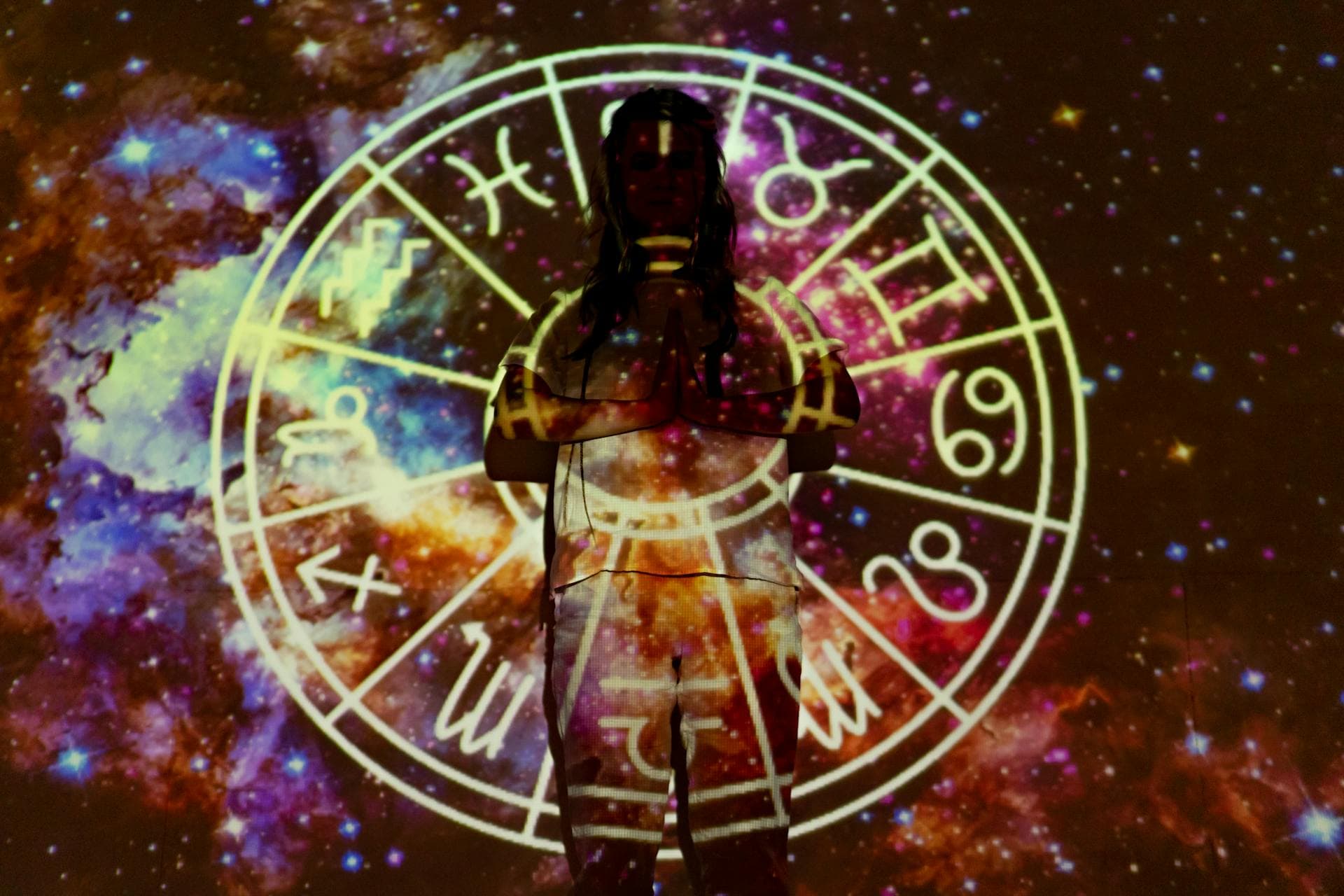
Why Different Signs? The 24-Degree Difference#
One of the most surprising discoveries for people exploring both systems is that your Vedic and Western zodiac signs might be different! This happens due to a phenomenon called precession of equinoxes.
The Astronomical Reality#
- Earth's wobble: Our planet wobbles slightly on its axis over a 26,000-year cycle
- Star shift: This causes the apparent positions of stars to gradually shift
- 24-degree difference: Currently, there's about a 24-degree difference between the two systems
- Example: If you're a Gemini in Western astrology, you might be a Taurus in Vedic astrology
What This Means for You#
Both signs can offer valuable insights:
- Western sign: Reveals your seasonal influences and psychological patterns
- Vedic sign: Shows your karmic patterns and spiritual path
- Different perspectives: Each system emphasizes different aspects of your cosmic blueprint
Calculation Methods: Simple vs Complex#
Understanding how each system determines your sign helps appreciate their different approaches:
Western Zodiac Calculation#
What you need: Just your birth date
The Western system is beautifully simple for basic sun sign astrology:
- Spring Equinox reference: Aries always begins at the spring equinox (around March 20)
- 30-degree segments: Each sign occupies exactly 30 degrees
- Season-based: Your sign depends on which seasonal period you were born in
- No location needed: For sun signs, only the date matters
Vedic Zodiac Calculation#
What you need: Birth date, and for complete analysis - time and location
Vedic astrology offers multiple layers of insight:
- Sidereal positioning: Based on actual star positions, not seasons
- Moon emphasis: Your moon sign (Rashi) is often considered more important than sun sign
- Nakshatra system: 27 lunar mansions provide detailed personality insights
- Complete birth chart: For full analysis, birth time and location create a detailed map
- Dasha periods: Planetary cycles that predict life phases and timing
Using Both Systems for Daily Guidance#
At Celestial Digits, we believe both systems offer valuable daily insights:
Daily Horoscope Benefits#
Western Daily Horoscope:
- Seasonal energy: Connects you to current seasonal influences
- Psychological insights: Helps understand daily mental and emotional patterns
- Social dynamics: Offers guidance for interactions and communication
- Modern relevance: Addresses contemporary lifestyle and challenges
Vedic Daily Horoscope:
- Karmic guidance: Provides insights into spiritual lessons and growth
- Lunar influences: Connects to moon phases and emotional cycles
- Traditional wisdom: Offers time-tested remedies and practices
- Deeper purpose: Focuses on soul evolution and dharmic path
What You'll Find in Daily Readings#
Both systems in our platform provide:
- Focus areas: Key themes to concentrate on for the day
- Favorable activities: Best times and actions for success
- Activities to avoid: Guidance on what to be cautious about
- Lucky elements: Colors, numbers, and beneficial influences
- Practical tips: Actionable advice for daily life
Vedic-Specific Elements#
Our Vedic readings include additional traditional elements:
- Rashi: Your moon sign in Sanskrit terminology
- Nakshatra: Your birth star constellation for deeper personality insights
- Tithi: Lunar day for spiritual practices and timing
- Vedic remedies: Traditional practices for balance and harmony
The Complete Zodiac Experience#
Simple Process#
- Choose your system: Select Vedic or Western based on your preference
- Select your sign: Click on any of the 12 zodiac signs
- Get insights: Receive detailed horoscopes for yesterday, today, and tomorrow
- Apply guidance: Use the daily wisdom in your practical life
No Complex Calculations Needed#
Unlike full astrological chart readings that require:
- Exact birth time (to the minute)
- Birth location coordinates
- Complex astronomical calculations
Our daily horoscope system provides immediate cosmic guidance using just your zodiac sign, making ancient wisdom accessible to everyone.
Which System is Right for You?#
Both Vedic and Western astrology offer unique value, and many people find benefit in exploring both:
Choose Vedic If You:#
- Seek spiritual growth: Want to understand karmic patterns and life lessons
- Value tradition: Appreciate ancient wisdom and time-tested practices
- Feel drawn to lunar cycles: Notice how moon phases affect your energy
- Want deeper insight: Prefer detailed, multilayered analysis
- Embrace Eastern philosophy: Connect with concepts of dharma and karma
Choose Western If You:#
- Prefer psychological insights: Want to understand personality patterns and behaviors
- Like seasonal awareness: Feel connected to equinoxes and seasonal changes
- Enjoy modern applications: Appreciate contemporary astrological interpretations
- Want immediate relevance: Prefer direct, practical daily guidance
- Are new to astrology: Starting with familiar Western concepts
Why Not Both?#
Many of our users explore both systems because:
- Complementary perspectives: Each system reveals different aspects of your cosmic blueprint
- Complete picture: Together, they provide both spiritual and psychological insights
- Daily variety: Switch between systems based on your current needs and interests
- Validation: When both systems align in guidance, it often feels particularly meaningful
The Science and Spirituality Balance#
Astronomical Accuracy#
- Vedic precision: Uses actual star positions for mathematical accuracy
- Western consistency: Maintains reliable seasonal correlations
- Both valid: Each system serves different purposes and perspectives
Personal Experience#
The "best" system is often the one that:
- Provides insights that resonate with your experience
- Offers guidance that proves helpful in daily life
- Connects with your cultural or spiritual background
- Feels intuitively meaningful to you
Making the Most of Daily Horoscopes#
Practical Application Tips#
- Morning reading: Start your day with cosmic awareness
- Evening reflection: Compare the day's events with morning predictions
- Weekly patterns: Notice recurring themes and advice
- Elemental awareness: Pay attention to how your element's energy manifests
- Remedy practice: Try suggested colors, activities, or practices
Conclusion#
Understanding the difference between Vedic and Western zodiac systems opens up a rich world of cosmic insight. Whether you resonate more with the lunar wisdom of Vedic astrology or the seasonal patterns of Western astrology, both systems offer valuable guidance for daily life.
The beauty of having access to both systems is that you can:
- Compare perspectives: See how different approaches interpret the same cosmic energies
- Deepen understanding: Use both systems to gain multifaceted insights
- Find your preference: Discover which system feels more aligned with your personal journey
- Appreciate diversity: Understand that cosmic wisdom can be expressed in multiple valid ways
At Celestial Digits, we honor both traditions, recognizing that the stars speak to us in many languages. Whether you're seeking spiritual guidance, practical daily advice, or simply cosmic curiosity, our dual-system approach ensures you have access to the full spectrum of astrological wisdom.
Remember, astrology is a tool for self-awareness and growth. Use it to understand yourself better, make conscious choices, and navigate life with greater awareness of the cosmic rhythms that influence us all.
Ready to explore your cosmic influences? Try our Daily Zodiac Horoscope to discover what both Vedic and Western astrology reveal about your sign's daily guidance.
Which zodiac system resonates more with you - Vedic or Western? Have you noticed differences between your signs in each system? Share your cosmic discoveries in the comments below!
Related Posts
Vedic Astrology Remedies: Gemstones, Mantras, and Rituals That Work
Discover powerful Vedic astrology remedies including gemstones, mantras, yantras, pujas, and lifestyle changes to harmonize planetary energies and improve life.
Jupiter in Cancer 2026–2027 for Aquarius Ascendant
Jupiter in Cancer for Aquarius ascendant: sixth-house work, second and eleventh lordship, resources, career aspects and the 2027 return.
Jupiter in Cancer 2026–2027 for Aries Ascendant
Jupiter in Cancer for Aries ascendant: fourth-house home and education themes, ninth and twelfth lordship, career aspects and the 2027 return.
A little more perspective.
Keep discussions respectful. No harassment, hate, sexual content or spam. Comments are reviewed before publication. Report concerns from a comment menu, or contact [email protected].
Checking your session…